· 9 min read
What Is Patis? An Australian Guide to Filipino Fish Sauce
What is patis? Learn how Filipino fish sauce is made, how it differs from bagoong, where it is used and what Australian shoppers should check.
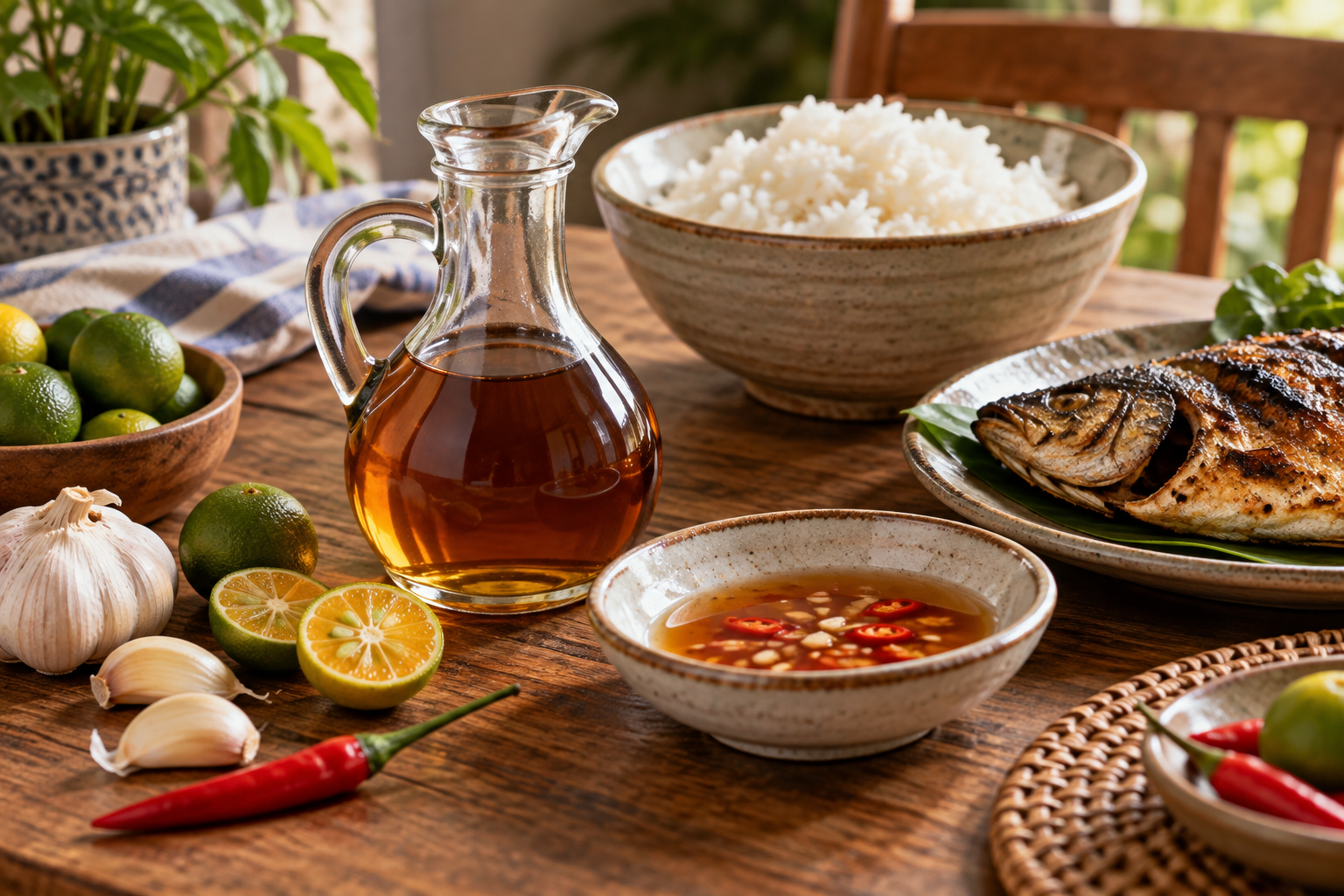
What is patis? The short answer
Patis is the Filipino name for fish sauce: a salty, savoury liquid seasoning produced by fermenting fish with salt. It is used in cooking and at the table to deepen soups, stews, rice dishes, vegetables and dipping sauces. A small amount can add seasoning and umami without making a finished dish taste obviously fishy.
The international Codex standard defines fish sauce as a translucent liquid with a salty taste and fish flavour obtained by fermenting fish and salt. It is intended for use as a seasoning, condiment or food ingredient. That definition helps distinguish true fermented fish sauce from unrelated sauces that merely use fish flavour or from products made by acid hydrolysis.
There is no single bottle that represents every Filipino household. Fish species, salt level, fermentation, extraction and added ingredients can differ between producers. In Australia, read the label rather than relying only on colour or a familiar-looking bottle. The ingredient list, allergen declaration, sodium panel, country of origin and storage directions tell you more than packaging style.
Start with the Filipino pantry guide for Bunbury →Learn what bagoong is →
How fermented fish becomes patis
Traditional fish sauce begins with sound fish or fish parts and food-grade salt. The mixture is held in covered containers or tanks while enzymes and salt-tolerant microorganisms break down fish proteins. The resulting liquid develops the strong aroma, savoury depth and amber-to-brown colour associated with fish sauce.
Codex says the fermentation process generally takes at least six months, although actual production methods vary. Liquid may be drawn off after the first fermentation, and further extractions can be made by adding brine to recover remaining protein and flavour. The standard permits certain ingredients that assist fermentation, provided the finished product is accurately described and meets its composition and safety requirements.
A Philippine fisheries study describes patis as a well-aged, fermented salted fish product and notes its clear, straw-yellow to brown appearance. It also found meaningful chemical differences among commercial samples. That is why two sauces can taste quite different even when both are sold as patis: raw material, extraction strength, maturation and formulation all affect the result.
Is patis different from other Southeast Asian fish sauces?
Patis belongs to a broad family of fermented fish sauces found across Southeast and East Asia. Vietnamese nước mắm and Thai nam pla are also fish sauces, but the names belong to their own culinary languages and traditions. They may share a basic fish-and-salt process without being culturally identical products.
For everyday cooking in Australia, another fermented fish sauce can sometimes substitute when patis is unavailable. Expect differences in saltiness, aroma, sweetness, clarity and intensity. Begin with less than the recipe specifies, taste the whole dish and add more only if needed. A one-for-one substitution is a starting point, not a guarantee of an identical result.
The most respectful description is therefore specific: patis is Filipino fish sauce, not a generic nickname for every Asian sauce. Likewise, a bottle labelled Thai or Vietnamese fish sauce should be recognised on its own terms. Shared fermentation technology does not erase regional food culture, and brand origin should never be guessed from a product’s colour.
Patis versus bagoong, soy sauce and oyster sauce
Patis and bagoong are related fermented seasonings but not the same ingredient. Patis is a pourable, generally clear liquid made from fermented fish and salt. Bagoong is a paste or thicker fermented product made from fish or shrimp, with visible solids and a different texture. Bagoong alamang, made from small shrimp or krill, also raises a crustacean-allergy issue rather than only a fish-allergy issue.
Soy sauce is plant-based at its core, produced from soybeans and usually wheat, although recipes and allergen profiles vary. It brings salt, colour and fermented savouriness but not the marine character of patis. Oyster sauce is thicker and often slightly sweet; it may contain mollusc, soy, wheat or other ingredients depending on the formulation. None is an exact replacement for the others.
When a recipe specifies patis, ask what job it performs. If it seasons a broth, another fish sauce may be the closest alternative. If it forms part of a dipping sauce, changing to soy sauce creates a noticeably different condiment. For an allergy-friendly version, do not improvise with another bottled sauce until every ingredient and precautionary statement has been checked.
Read the detailed guide to Filipino bagoong →Explore the beginner’s guide to Filipino food →
What does patis taste and smell like?
Straight from the bottle, patis is intensely salty, aromatic and distinctly fish-forward. That first smell can surprise someone who is new to it. In a cooked dish, however, it is normally dispersed through broth, meat, rice or vegetables, so the result can taste rounded and savoury rather than like a spoonful of concentrated sauce.
Heat, dilution and other ingredients change the experience. Garlic, ginger, onion, tomato, citrus, vinegar and chilli can all sit comfortably beside fish sauce, but there is no requirement to use them together. In a clear soup, patis may provide both salt and depth. In a sawsawan, or dipping sauce, its flavour stays more direct because the condiment is added at the table.
How to choose patis in an Australian shop
Start with the product name and ingredient list. A traditional-style fish sauce may have a short list centred on fish and salt, while other products can include water, sugar, flavour enhancers, preservatives or colour. Extra ingredients are not automatically a sign of poor quality, but they change flavour and may matter for allergies or dietary preferences.
Check the separate allergen summary near the ingredients. Under current Australian and New Zealand plain-English allergen rules, fish must be declared using the word ‘fish’. If a sauce contains crustacean, mollusc, soy, wheat or another regulated allergen, that must also be declared as applicable. Never assume every fish sauce is gluten-free, soy-free or suitable for a particular diet merely because its basic concept is fish and salt.
Then compare sodium per 100 ml in the Nutrition Information Panel. Food Standards Australia New Zealand explains that this column is the practical way to compare similar products. Also check the country-of-origin statement, date mark, seal and storage directions. Hernandez Asian Delights may stock Filipino pantry products in Bunbury, but brands and availability should be confirmed directly rather than assumed.
Visit the Hernandez Asian grocery store in Bunbury →
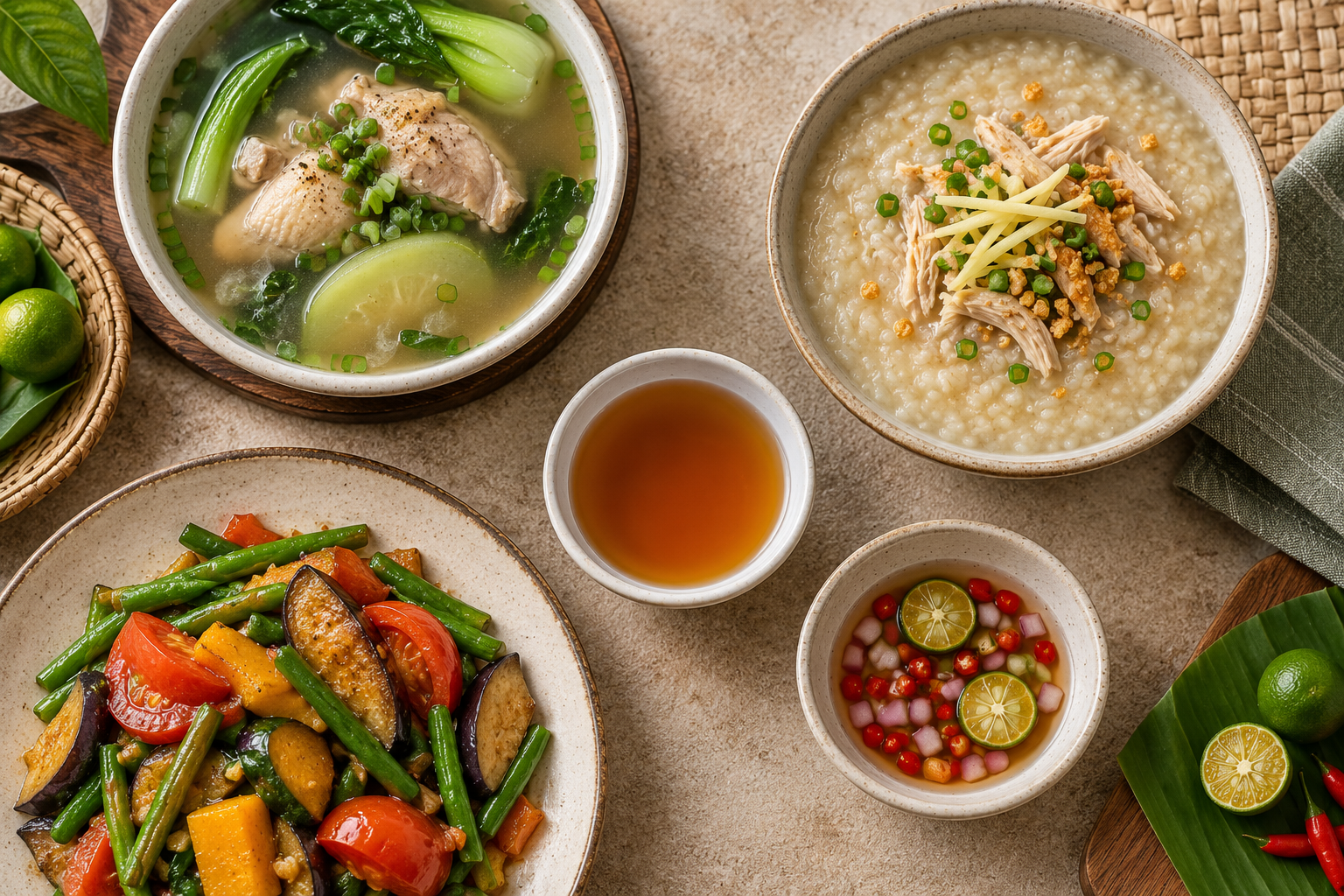
How to cook with patis without oversalting
Treat patis as a concentrated seasoning. When developing a recipe, add a small quantity after aromatics have softened or once the main liquid is in the pan. Stir, allow it to disperse, then taste before adding salt. Stock cubes, soy sauce, cured meat and packaged broth may already contribute substantial sodium.
For a family pot of soup or stew, beginning with one teaspoon is more controlled than pouring directly from the bottle. The final amount depends on volume, the sauce’s strength and the other ingredients; it is not a universal Filipino ratio. Add in measured increments, especially when cooking for children or guests unfamiliar with the flavour.
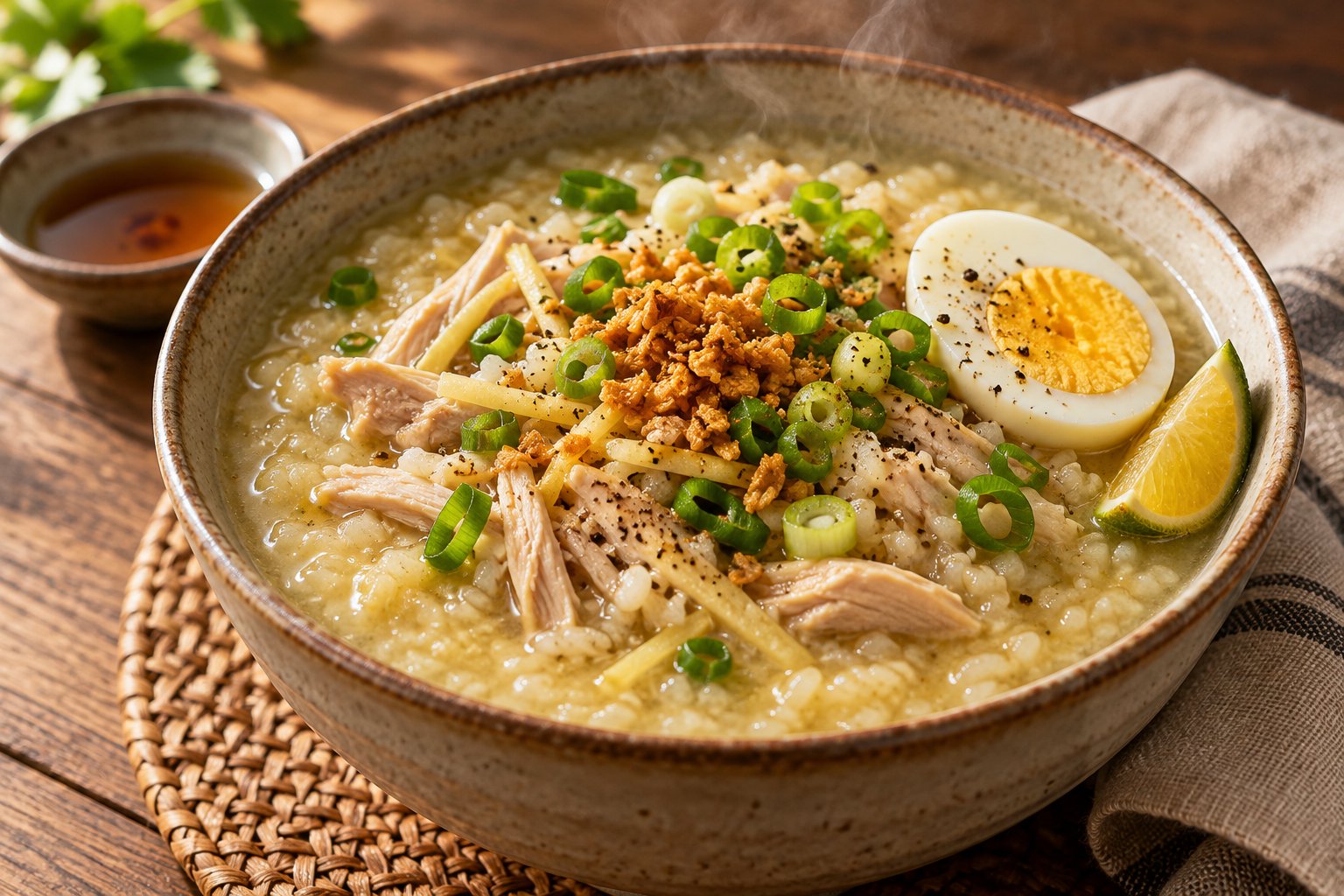
Published recipes show its range. SBS serves pork sinigang with fish sauce and calamansi, and uses fish sauce to season watermelon sinigang. Filipino arroz caldo recipes commonly combine fish sauce with chicken, ginger, garlic and rice. Patis can also season sautéed vegetables, braises, noodle dishes and cooked mince, but it should support the main ingredients rather than flatten every dish into the same salt level.
Using patis as a Filipino dipping sauce
At the table, patis may be offered alone or combined with an acidic ingredient such as calamansi or vinegar. Chopped chilli, garlic or black pepper can be added according to the dish and diner. This customised condiment is one example of sawsawan—the broad Filipino practice of serving dipping sauces that let people adjust flavour at the table.
There is no need to search for one official ratio. Start with a teaspoon of patis in a small individual dish, add citrus or vinegar a little at a time and taste. Keep chilli separate when diners have different heat tolerances. Because the condiment is concentrated, individual bowls help prevent everyone from seasoning the whole dish more heavily than they want.
Use clean utensils and do not pour used dipping sauce back into the bottle. For a shared gathering, label the sauce clearly as containing fish and keep it away from allergen-free foods and utensils. A guest with a fish allergy needs accurate information, not the reassurance that only a small amount was used.
Learn more about calamansi →Read whether Filipino food is spicy →
Can patis be replaced in a recipe?
Another fermented fish sauce is usually the closest culinary substitute, but taste it first and adjust the quantity. Soy sauce can provide salt and savouriness in some dishes, yet it changes the flavour and introduces soy—and often wheat—considerations. Salt dissolved in water seasons a dish but lacks the fermented complexity of patis.
For someone avoiding fish, there is no automatically safe substitute. Products marketed as vegan fish sauce may use seaweed, mushrooms, soy or other ingredients, and their allergen profiles differ. Check the complete label each time. If the dish is being served to a person with a diagnosed allergy, follow their allergy-management advice rather than relying on a casual swap.
Allergens, sodium and storage
Patis contains fish and is not suitable for anyone who must avoid that allergen. Australian packaged-food labels must declare fish plainly, and other allergens present in a particular formulation must also be identified. Cross-contact statements can vary. Read the label on the bottle you are actually using and retain it when cooking for guests so the information remains available.
Fish sauce is also a high-impact salty seasoning. FSANZ recommends comparing sodium per 100 g or 100 ml across like products if sodium intake is a concern. Using a measuring spoon, choosing a lower-sodium option where appropriate and reducing other salty ingredients can provide more control. Anyone following medical dietary advice should use the limits provided by their health professional.
Store the bottle exactly as its manufacturer directs. Keep the cap and neck clean, close it securely and use a clean spoon rather than touching the opening with food. A best-before date relates mainly to expected quality, while a use-by date is a safety limit; follow the date mark shown. If the seal is damaged, the contents change unexpectedly or storage history is uncertain, do not guess that fermentation makes the product indestructible.
Finding and serving patis in Bunbury
For Bunbury and South West home cooks, an Asian grocery store is the most direct place to compare Filipino-labelled fish sauces and ask what is currently available. Bring the recipe or a photograph of the ingredient name, then compare labels rather than choosing only by price. A small bottle is sensible for a first purchase because patis is used in measured amounts.
Hernandez Asian Delights can help customers explore Filipino pantry ingredients at 36 Charles Street, Bunbury. Current brands, sizes, prices and stock should always be checked with the store. The same principle applies to catering: discuss dietary needs and allergens when requesting a quote, as recipes and menus can change for an event.
Patis is an everyday seasoning, not a compulsory addition to every Filipino meal. Use it where it improves the dish, respect the concentrated salt and clearly communicate the fish allergen. For a Bunbury celebration, it may appear in cooking or a labelled dipping sauce alongside a broader menu; Hernandez pork crackle can be ordered separately where it suits the occasion, but it does not require patis to be served.
Explore Hernandez catering experiences →Request a tailored Bunbury catering quote →Visit the Hernandez Asian grocery store →View Hernandez pork crackle →
Frequently asked questions
What is patis made from?
Traditional fish sauce is made by fermenting fish with salt. Commercial formulations can include water, sugar, flavour enhancers, preservatives or other permitted ingredients, so Australian shoppers should check the specific bottle’s ingredient list.
Is patis the same as bagoong?
No. Patis is a pourable, generally clear fish sauce. Bagoong is a paste or thicker fermented product made from fish or shrimp and retains solids. Their texture, flavour and possible allergens differ.
Is patis the same as Thai or Vietnamese fish sauce?
They belong to the same broad family of fermented fish sauces but come from different culinary traditions. Thai nam pla or Vietnamese nước mắm may work as practical substitutes, although saltiness, aroma and formulation vary.
Does patis contain gluten?
Fish and salt do not contain gluten, but a particular commercial sauce may include other ingredients or cross-contact statements. Never assume; read the ingredient list and allergen summary on the bottle you are using.
How much patis should I add to a dish?
There is no universal amount. Begin with a measured teaspoon in a family-sized soup or stew, stir and taste before adding more. Reduce other salty ingredients and follow a tested recipe when one is available.
Keep exploring Filipino food and culture

Taste it in Bunbury
Bring Filipino flavour to your next gathering.
Explore catering from Hernandez Asian Delights or visit Michael and the team at 36 Charles Street, Bunbury.