· 8 min read
A Beginner’s Guide to Filipino Food
Discover adobo, pancit, lumpia, sinigang and the regional flavours that make Filipino food one of Southeast Asia’s most diverse cuisines.
What makes Filipino food distinctive?
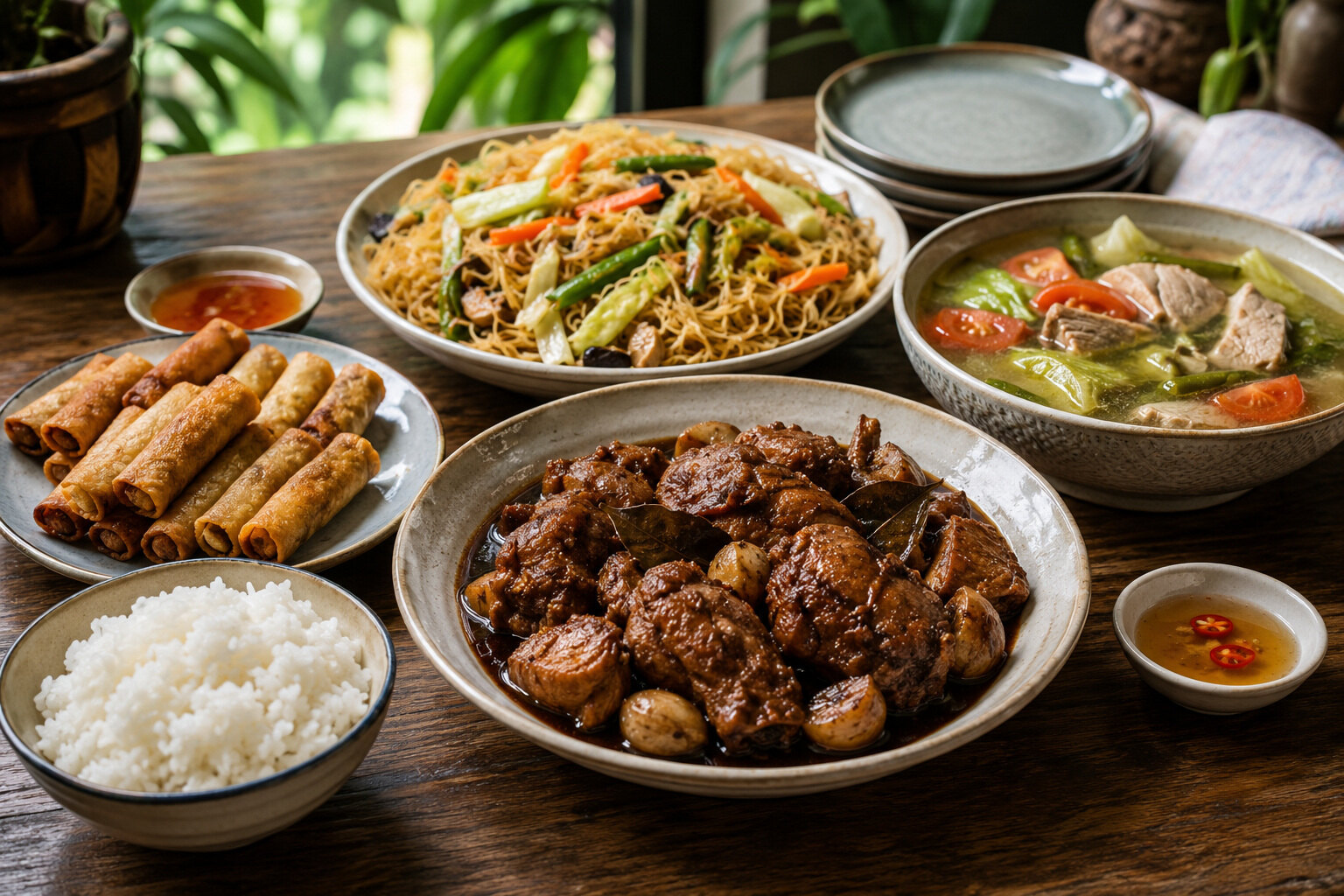
Filipino food is the cooking of an archipelago, not a single fixed menu. The Philippines has thousands of islands and many regional, linguistic and cultural communities, so the food changes as you travel. Coastal areas make extensive use of fish and seafood. Coconut is especially important in many southern Luzon and Visayan dishes. Mountain communities have their own preservation methods and agricultural traditions. Rice remains central to many everyday meals, but the dishes served with it can be sour, savoury, smoky, sweet, rich or sharply spiced depending on the place and occasion.
The Philippine Department of Agriculture describes the country’s cuisine as local, regional and seasonal, shaped by ingredients available in each province and by layers of cultural exchange. That is why two Filipino families may cook a dish with the same name quite differently and both versions can be authentic. A useful starting point is to stop looking for one definitive recipe and instead ask where a version comes from, who cooks it and what ingredients were available to that household. Filipino cuisine is a living tradition carried through family kitchens, markets, celebrations and community gatherings.
The flavour balance: sour, salty, savoury and sweet
Many first-time diners notice the confident use of acidity. Vinegar is both a flavouring and a traditional preserving ingredient, while sour fruits and other local souring agents give soups such as sinigang their characteristic profile. Soy sauce, fish sauce, fermented seafood products and salt contribute savoury depth. Garlic, onion, ginger, peppercorns and chillies build aroma and warmth. Sweetness may appear in marinades, sauces, cured meats and desserts, but there is no single formula that applies to every dish.
Rather than expecting the chilli heat associated with some neighbouring cuisines, look for contrast. A rich fried item may be served with a bright vinegar dip. Grilled meat may come with a salty-sour condiment. A deeply savoury stew is balanced by plain rice. These combinations make sense at the table, where several dishes are often shared. Taste each dish on its own, then with rice and the offered condiment. That simple approach helps an Australian diner understand how the meal has been designed without needing to know every ingredient in advance.
Adobo: a method with many expressions
Adobo is often the first Filipino dish Australians recognise, but it should not be reduced to one standard recipe. In broad terms, ingredients are cooked with vinegar, garlic and seasonings; soy sauce is common in many modern versions but is not universal. The Philippine National Nutrition Council documents variations including adobong puti, which omits soy sauce, and versions made with chicken, pork, vegetables, water spinach or banana blossom. Regional and household approaches may change the protein, colour, sweetness, amount of sauce and cooking sequence.
For a beginner, chicken or pork adobo is an approachable introduction because it pairs familiar ingredients with a distinctly tangy, savoury result. Let the vinegar cook before aggressively stirring, and allow time for the flavours to settle. Like many braised dishes, adobo can taste even more integrated after resting. If you enjoy the basic profile, try a vegetable adobo or ask a Filipino cook about the version their family makes. The answer often opens a much richer conversation than debating which recipe is the official one.
Pancit: more than one noodle dish
Pancit is a broad category of noodle dishes rather than a single plate. Different noodles, sauces, proteins, vegetables and cooking methods produce very different results. Pancit bihon commonly uses thin rice noodles, while pancit canton uses wheat-based noodles. Other regional preparations have their own textures and ingredients. TESDA, the Philippines’ technical education authority, has highlighted diverse versions of pancit as examples of regional culinary skill and cultural exchange.
Noodles are frequently associated with gatherings and birthdays, where their length is popularly connected with long life. For a new diner, pancit is an easy shared dish: squeeze over calamansi or lemon if offered, mix the noodles gently and notice how the vegetables and savoury seasoning work together. Do not assume every pancit will taste the same. A dry, stir-fried version and a saucier regional specialty may have little in common beyond belonging to the wider noodle tradition.
Lumpia, sinigang and other welcoming first choices
Lumpia are rolls with roots in long-standing culinary exchange across the region. They may be fresh or fried, large or small, and filled with vegetables, meat or other ingredients. Lumpiang Shanghai—small fried rolls commonly filled with seasoned meat—is a popular party food and an easy entry point for Australian guests. Fresh lumpia offers a different experience, with a softer wrapper and vegetable-forward filling. Ask what style is being served rather than treating lumpia as one unchanging item.
Sinigang is a soup known for its sour character. Tamarind is widely associated with it, although other souring ingredients are used. The soup may include pork, fish, prawns or vegetables and is normally eaten with rice rather than approached like a Western starter. Other friendly choices include chicken inasal, a grilled chicken specialty associated with the Visayas; kare-kare, a rich stew commonly served with a fermented condiment; and vegetable dishes such as pinakbet. If unfamiliar ingredients concern you, ask about allergens and heat levels before ordering.
Rice, condiments and how a Filipino meal works
Rice is not a decorative side dish. It is often the foundation that balances salty, sour or richly seasoned viands. Take a little rice with a little of the accompanying dish, then adjust the ratio to your taste. At a shared meal, several viands may be placed in the centre so diners can combine flavours across the plate. This communal format is part of the pleasure: the meal is experienced through variety rather than a rigid sequence of individually plated courses.
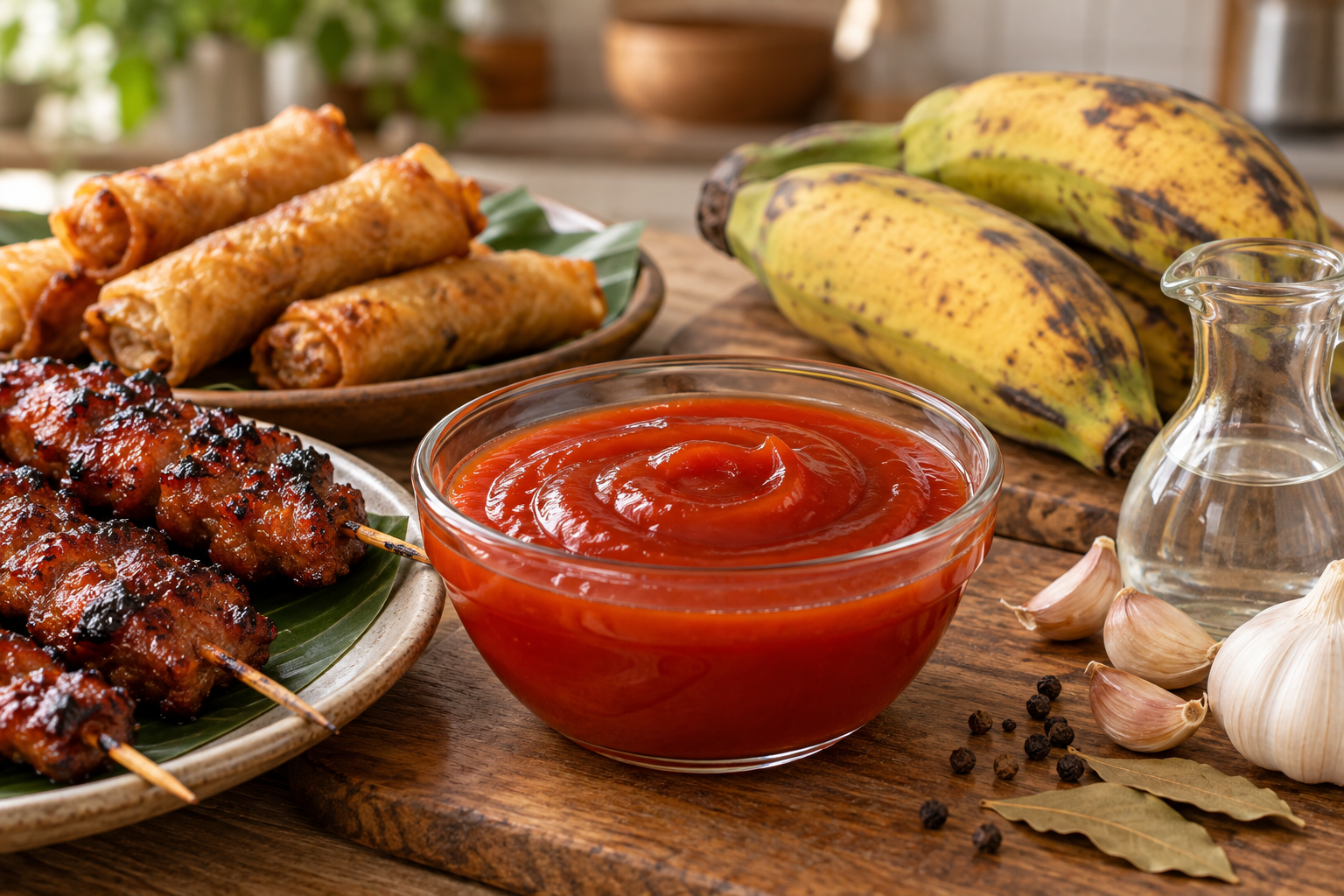
Condiments deserve attention. Vinegar may be infused with garlic, chilli or other aromatics. Calamansi can add fresh citrus acidity. Bagoong and patis can provide concentrated savoury or fermented notes, so begin with a small amount. They are not compulsory challenges; they are tools for adjusting the bite. If a host offers a dipping sauce, ask which dish it accompanies. Respectful curiosity is welcomed, and it prevents the common mistake of pouring a powerful condiment over the whole plate before tasting.
Regional diversity matters
The broad labels Luzon, Visayas and Mindanao are useful geographically, but each contains many distinct food traditions. Bicol is well known for dishes using coconut milk and chilli. Pampanga has a prominent culinary reputation and a deep history of skilled cooking. Iloilo is associated with dishes such as batchoy, while Bacolod is strongly linked with chicken inasal. Muslim Filipino food traditions in Mindanao and the Sulu archipelago have their own ingredients, techniques and halal requirements. Indigenous communities maintain food knowledge tied closely to local land and seasons.
A responsible guide cannot flatten all of this into a list of national favourites. When a menu names a province or city, treat that detail as meaningful. When a family says its recipe comes from a grandparent, recognise that household transmission is part of culinary heritage. The Department of Agriculture’s Filipino Food Month exists specifically to help conserve, promote and popularise this diversity. Exploration is more rewarding when regional identity is treated as a strength rather than an inconvenience.
Desserts and merienda
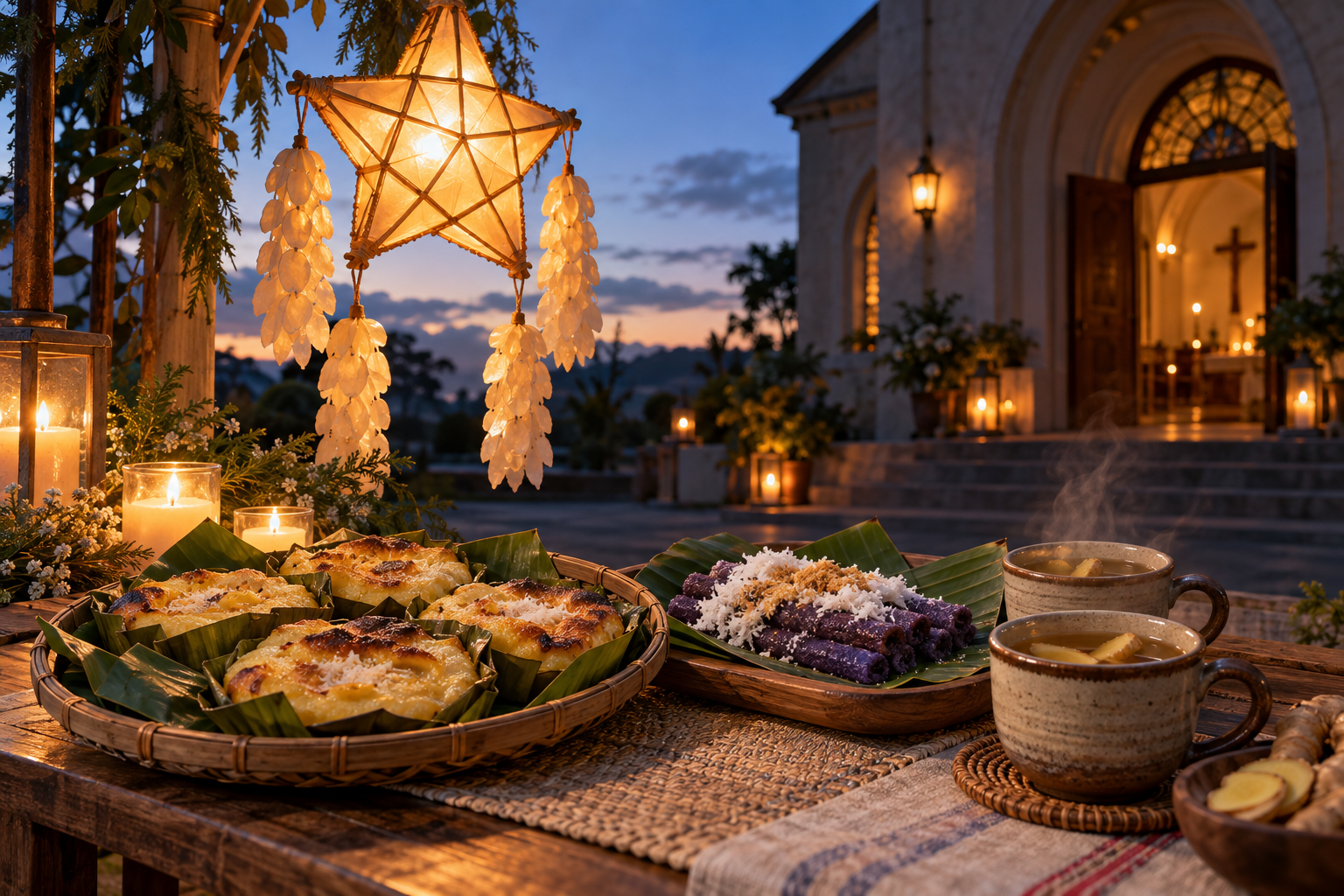
Filipino eating is not limited to breakfast, lunch and dinner. Merienda is a snack or light meal enjoyed between main meals, and the range can include noodles, rice cakes, breads, fried snacks and sweets. Pandesal is a familiar everyday bread roll. Bibingka and puto belong to a broad family of rice-based cakes. Turon commonly wraps banana in a spring-roll-style wrapper before frying it with sugar. These foods can be everyday comforts or part of seasonal and celebratory traditions.
Halo-halo is one of the best-known desserts: shaved ice is combined with milk and a selection of sweetened fruits, beans, jellies and other components, often topped with leche flan or ube ice cream. Its name relates to mixing, which is exactly what the diner does before eating. Ube, a purple yam, appears in many contemporary desserts, but not every purple Filipino sweet is automatically ube. Ask what you are trying and enjoy the texture as much as the sweetness.
How to order confidently in Bunbury
Start with one familiar format and one new flavour. For example, combine grilled chicken or lumpia with a sour soup or vegetable dish, plus rice. For a group, order several dishes for the centre so everyone can taste more than one item. Mention allergies clearly, especially concerns involving seafood, shellfish, peanuts, gluten, soy or egg. Filipino dishes and sauces can contain ingredients that are not obvious from the English name, so never rely on appearance alone.
At Hernandez Asian Delights in Bunbury, asking Michael or the team for a recommendation is the fastest way to match dishes to your group. Explain how many people you are feeding, whether they enjoy adventurous flavours and whether the meal is for an office, family gathering or celebration. Catering is particularly well suited to Filipino food because sharing allows newcomers to explore without committing to one unfamiliar plate.
A respectful way to keep exploring
Approach Filipino food as you would any major cuisine: with curiosity, context and room for variation. Avoid declaring that one version is not authentic simply because it differs from something you tried elsewhere. Ask about the region, the cook and the occasion. Learn the dish’s name and pronounce it as carefully as you can. Compliments are welcome, but comparisons that reduce the food to another Asian cuisine miss what makes it distinctive.
The best beginner’s guide ultimately leads away from the guide and toward the table. Try adobo, pancit, lumpia and sinigang, then move into regional dishes, vegetables, merienda and desserts. Share the meal, taste the condiments gradually and listen to the stories attached to the food. That is how a short list of famous dishes becomes an appreciation of a rich, evolving culinary culture.
Keep exploring Filipino food and culture
Taste it in Bunbury
Bring Filipino flavour to your next gathering.
Explore catering from Hernandez Asian Delights or visit Michael and the team at 36 Charles Street, Bunbury.