· 9 min read
What Is Pasalubong? An Australian Guide to Filipino Homecoming Gifts
What is pasalubong? Learn the meaning of this Filipino homecoming-gift tradition, thoughtful food ideas and Australia’s current biosecurity rules.
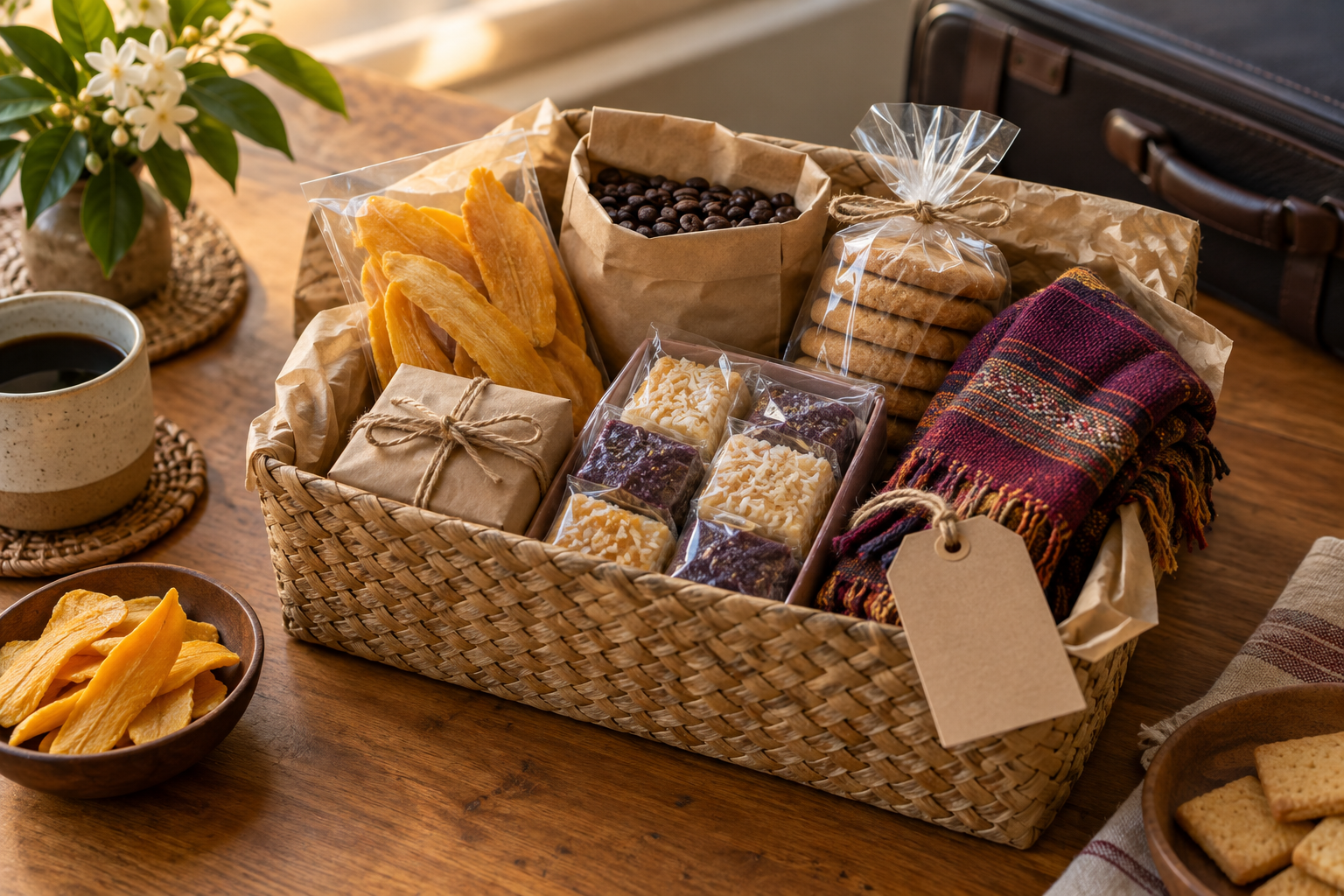
What is pasalubong? The short answer
Pasalubong is a Filipino homecoming gift: something a traveller brings or sends to family, friends or other people they care about. It can be a regional delicacy, an everyday snack, a useful object or a small keepsake. The value lies less in price than in the message that the recipient was remembered while the giver was away.
The Philippine Bureau of Customs uses the word in its official explanation of balikbayan boxes, describing their contents as personal effects, goods for personal use and ‘pasalubong’ or gifts sent or brought by Filipinos abroad for family or relatives in the Philippines. That practical government definition confirms the term’s connection with travel, homecoming and giving without claiming that every Filipino family follows one fixed rule.
Explore more Filipino cultural questions →Read about Filipino community spirit →
How pasalubong differs from an ordinary souvenir
A conventional souvenir is often bought for the traveller as a reminder of a destination. Pasalubong turns the direction of attention outward. The giver chooses something to carry the experience home and share it with another person. The item may still display a place, but its purpose is reception and connection rather than only personal memory.
That distinction is useful, not absolute. A locally made mug, woven piece or postcard can be both souvenir and pasalubong depending on who receives it. Food is especially suited to the tradition because it can be opened and shared immediately. A box of biscuits placed on the family table says, in a very practical way, ‘I have returned, and I brought part of the journey to you.’
What the tradition communicates
At its most thoughtful, pasalubong communicates remembrance. It reconnects the person who travelled with the household, workplace or friendship group that continued in their absence. The gift creates a small homecoming moment even when the trip was short. It can also invite conversation: where it came from, why the place is known for it and what happened on the journey.
It should not be reduced to a financial obligation. Customs differ between households, relationships and generations, and no one item or spending level proves affection. Australians learning the tradition should avoid announcing a rigid etiquette or assuming every Filipino expects a gift. Observe how the people involved use the word, ask about allergies and preferences, and treat the gesture as recipient-focused generosity rather than a performance.
Why food is such a common pasalubong
Food travels through a group easily. Biscuits, preserved fruit, roasted coffee, sweets and other shelf-stable items can be divided without a formal presentation, making them suitable for families and workplaces. Regional foods also carry information about agriculture, local skill and taste. The National Museum of the Philippines, for example, identifies garlic, barbecue, sweet and spicy chichacorn as a popular pasalubong from Ilocos while discussing Filipino corn snacks.
One example should never become a national checklist. The Philippines is an archipelago with many regional cuisines and languages, so meaningful gifts vary by origin and route. Some foods are available only locally or are too perishable for long travel. A careful giver chooses for the actual journey: heat, luggage space, time without refrigeration, fragile packaging, border rules and the recipient’s needs all matter.
Learn why rice matters in Filipino culture →Discover the Filipino merienda tradition →
Pasalubong and the Filipino diaspora
For Filipinos living overseas, giving can cross much greater distances. A returning traveller may carry gifts in luggage, while a balikbayan box can send useful household goods, food and personal items to relatives in the Philippines. The Bureau of Customs distinguishes these personal, non-commercial goods from merchandise intended for sale and publishes rules for the duty and tax privileges that may apply.
The emotional meaning can travel in both directions. Someone returning to Australia may carry a taste of home; someone visiting the Philippines may bring products requested by family there. In either case, the box or suitcase is not simply freight. It can hold evidence of ongoing relationships across time zones. That does not make every diaspora experience identical: budgets, migration history, family expectations and access to shipping all vary.
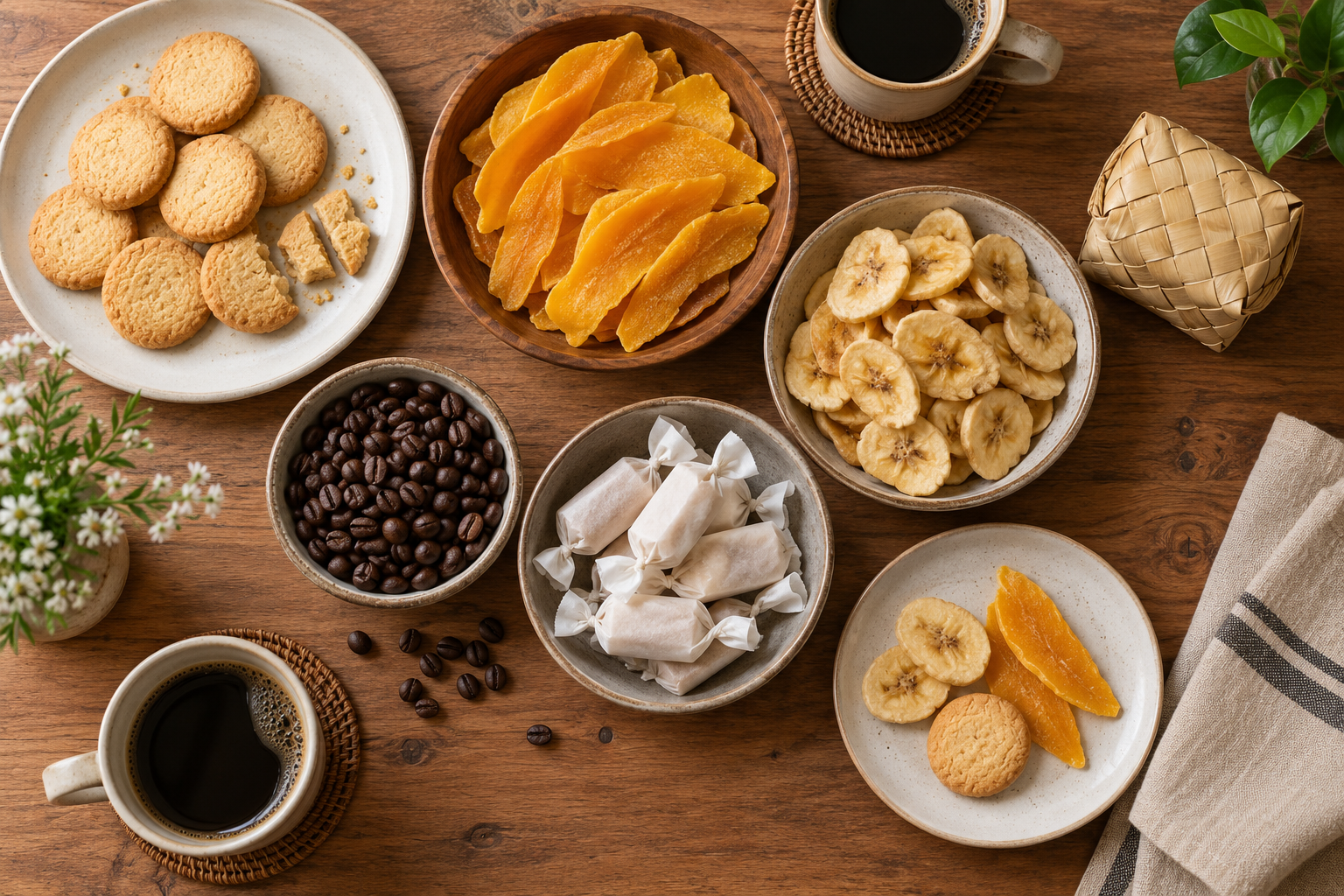
Thoughtful pasalubong ideas in Australia
Begin with the recipient, not a list of supposedly essential products. For a household that enjoys sharing food, consider clearly labelled shelf-stable biscuits, dried fruit, confectionery, coffee or tea. For someone who does not want sweets, a small craft, book, useful kitchen item or locally made object may be more welcome. For children, age suitability and household preferences matter more than novelty.
Australians can also practise the spirit of pasalubong without international travel. A visitor returning from the South West might share a lawful, shelf-stable regional product; a Filipino-Australian household might choose a familiar snack from a local Asian grocery; a guest could bring something to place on a communal table. The point is not to imitate another family’s habits perfectly, but to offer a considerate item and describe it accurately.
Use the Filipino grocery guide for Bunbury →Visit Hernandez Asian Delights in Bunbury →
How to choose a food gift safely
Read the full label before buying. Check the ingredient list, allergen declaration, use-by or best-before date, storage instructions and whether the package is sealed. A product that suits one person may be unsafe for another because common gift foods can contain peanuts, tree nuts, milk, egg, wheat, sesame, soy, fish, crustaceans or other allergens. Do not remove food from its labelled packaging when the recipient needs that information.
Choose a format appropriate to the handover. Products requiring refrigeration should not sit in a warm car or suitcase, while fragile cakes may not survive a flight. If the gift will be shared at work or an event, tell people what it contains rather than relying on appearance. FSANZ requires prescribed allergens to be declared on packaged food sold in Australia, but the person serving it should still keep the label available.
Bringing pasalubong food into Australia
Australian biosecurity rules apply to a gift even when it is homemade, sentimental or for personal use. The Department of Agriculture, Fisheries and Forestry says certain food, plant material and animal products from overseas can carry pests and diseases. Travellers must declare specified goods, and mailed goods must be described accurately on the postal declaration. A biosecurity officer may inspect a declared item and decide whether it can enter.
Check the department’s current traveller guidance and BICON before packing because conditions depend on the product, ingredients, processing, country of origin and route. Commercial packaging helps officers identify an item but does not automatically make it permitted. Do not rely on a friend’s experience from an earlier trip: the department warns that conditions for products such as meat can change quickly with disease outbreaks.
Examples from Australia’s current traveller guidance
As checked on 10 September 2026, DAFF says fully cooked, shelf-stable biscuits, bread, cakes and pastries for personal consumption may enter if they contain no meat and any fillings or toppings are cooked. Commercially prepared and packaged chocolate is permitted as a personal import, while other confectionery can contain ingredients with their own conditions. Roasted, ground or instant coffee is permitted within stated personal-use limits, but green coffee has different requirements.
Other categories are more complicated. Nuts, seafood, meat products, honey, dried plant material and preserved foods each have specific conditions, inspection or declaration requirements. Western Australia also has state quarantine rules for honey and bee products. This article cannot approve an individual gift. Search BICON for the exact item, keep original packaging and receipts where useful, declare when required and allow the officer—not the giver—to make the border decision.
Pasalubong etiquette without pressure
Give within your means and without turning the handover into an accounting exercise. A small packet chosen for a person can be more meaningful than an expensive generic basket. If several people are involved, one shareable item may be appropriate. If you receive pasalubong, sincere thanks and interest in the story are enough; you do not need to match its price immediately.
Respect refusal and dietary boundaries. A recipient may be managing allergies, religious choices, health needs, pregnancy advice or simply personal taste. Asking in advance does not spoil the spirit. Neither does choosing a non-food gift. Thoughtfulness includes making it easy for someone to accept, share or decline without embarrassment.
Sharing Filipino hospitality in Bunbury
In Bunbury, pasalubong can be a gentle entry point into Filipino food culture. Ask a Filipino friend which snacks connect with their region or childhood, learn the name of the item and avoid presenting one product as representative of the entire Philippines. Hernandez Asian Delights can help local shoppers explore Filipino groceries, but stock changes; visit or contact the store for current availability rather than assuming an article guarantees a particular product.
For a gathering, the same spirit of sharing can extend to a Filipino menu. Catering, a merienda-style table or crisp pork for a special occasion can create conversation when choices are planned around the guests. Check current packages, serving needs and dietary information directly with Hernandez. Pasalubong itself remains a gift tradition, not a catering requirement, but both place food within relationships rather than treating it as decoration.
Explore Filipino catering in Bunbury →Request catering from Hernandez →Order Hernandez pork crackle →
The best pasalubong is personal
Pasalubong is easy to translate as a homecoming gift, but the practice becomes clearer when you focus on its direction: a traveller returns with something for another person. Food is common because it shares well and can carry a sense of place, yet the object is less important than the act of remembering.
For Australians, the respectful approach is practical. Learn from the family or community involved, choose for the recipient, keep food labels intact and check current border rules before travelling. A modest, lawful and well-chosen gift carries the meaning far better than an impressive item that creates pressure, ignores allergies or cannot enter the country.
Frequently asked questions
What does pasalubong mean in English?
Pasalubong is commonly explained as a homecoming gift or something brought back for another person after a journey. The Philippine Bureau of Customs uses the term alongside ‘gifts’ when describing what Filipinos abroad may send or bring to family and relatives in balikbayan boxes.
Does pasalubong have to be food?
No. Food is popular because it can be shared and may represent a destination, but pasalubong can also be a craft, practical object, clothing, book or small keepsake. Choose something appropriate for the recipient rather than following a fixed list.
Is pasalubong compulsory?
No universal rule makes it compulsory. Expectations vary between families and situations. The most respectful approach is to treat it as a voluntary gesture of remembrance, give within your means and avoid judging someone who returns without gifts.
Can I bring Filipino snacks into Australia as pasalubong?
Some commercially prepared, shelf-stable foods may be permitted, while other foods have strict conditions or are prohibited. Check the exact item in Australian Government traveller guidance and BICON before travel, keep it labelled and sealed, and declare it when required. A product being a gift does not exempt it from biosecurity law.
What is a good pasalubong for a Filipino family in Australia?
Ask what the family enjoys. A clearly labelled shareable snack, coffee, tea, dried fruit or small locally made object can work well. Consider allergies, storage and whether the item is genuinely useful. If purchasing overseas, confirm Australian import conditions before buying it.
Keep exploring Filipino food and culture
Taste it in Bunbury
Bring Filipino flavour to your next gathering.
Explore catering from Hernandez Asian Delights or visit Michael and the team at 36 Charles Street, Bunbury.